Industry Developments

The Necessity of Lamination for Brochure Covers

Lamination (a post-press finishing technique) is a common process that involves applying a transparent film (glossy or matte) to enhance both the tactile quality and durability of brochure covers. Below is a detailed analysis of its essential benefits: Conclusion: Lamination is a vital enhancement for most brochure covers, offering unmatched protection, aesthetic refinement, and cost […]

The Necessity of Lamination for Brochure Covers Read More »
Benefits of Laminated Handles Bags

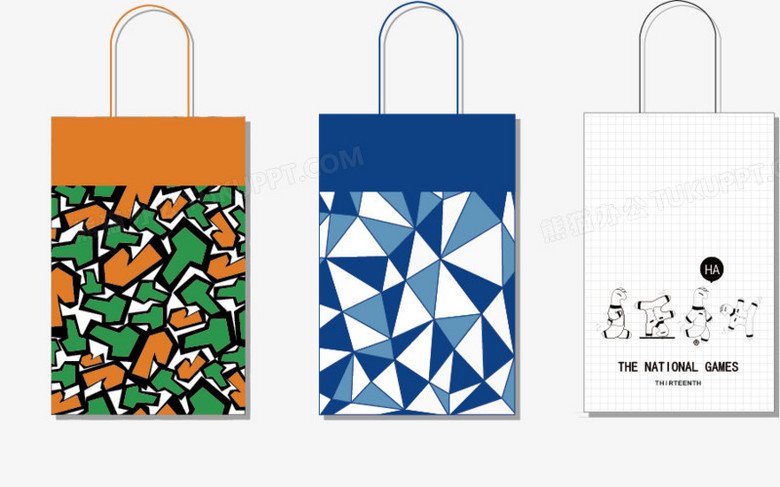
Laminating handbags (i.e., applying a thin film coating to the surface) is a common finishing technique that offers several key advantages: 1. Enhanced Durability 2. Improved Aesthetics 3. Superior Tactile Experience 4. Easy Cleaning 5. Eco-Friendly & Functional Options 6. Elevated Brand Image Ideal Use Cases: Considerations: In summary, lamination comprehensively improves a bag’s practicality, visual appeal, and brand value, making

Benefits of Laminated Handles Bags Read More »

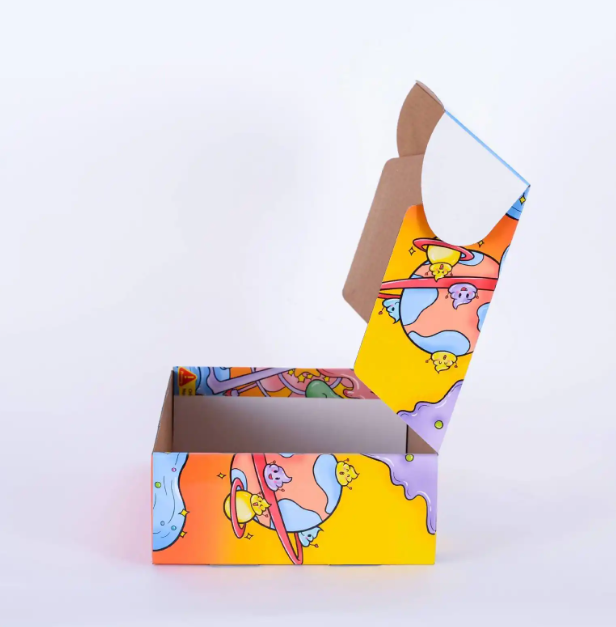
Advantages of Lamination for Packaging Boxes

Lamination (surface film coating) is a widely used packaging technique that involves applying a thin plastic film (such as BOPP, PET, or PVC) or eco-friendly material onto paper or cardboard surfaces to enhance both aesthetic appeal and functional performance. Here are its key benefits: Ideal Applications: The lamination process significantly improves both the protective qualities

Advantages of Lamination for Packaging Boxes Read More »

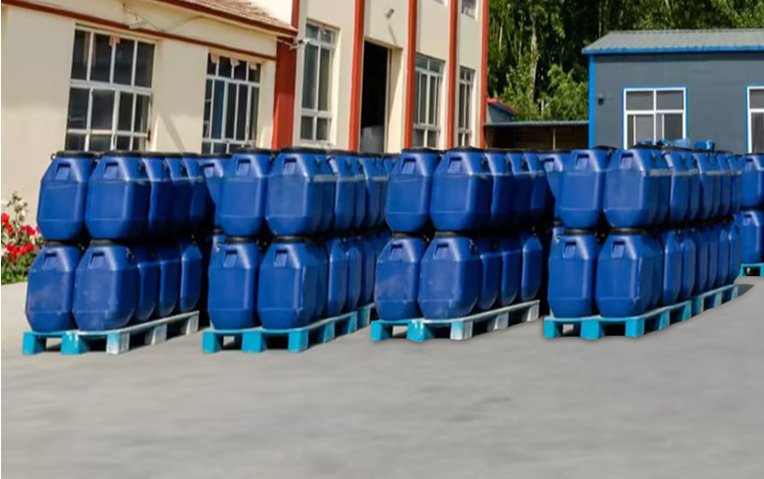
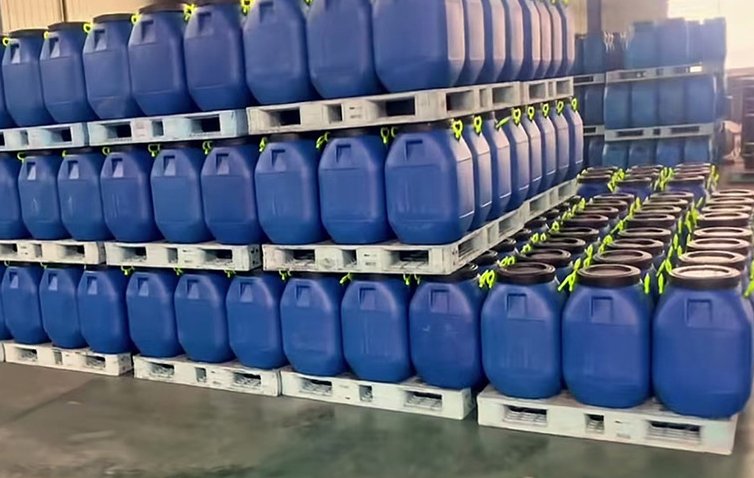
BOPP Lamination Adhesive is a specialized adhesive used for bonding BOPP film (biaxially oriented polypropylene film) with paper, cardboard, or other substrates, primarily in the printing and packaging industry for lamination processes.

1. Primary Target Substrates 2. Typical Applications 3. Core Functions of Lamination Adhesive 4. Types of Lamination Adhesives 5. Key Considerations If you need more specific product recommendations or process guidance, feel free to provide details such as substrate type, equipment conditions, and environmental requirements—I’d be happy to assist further!

BOPP Lamination Adhesive is a specialized adhesive used for bonding BOPP film (biaxially oriented polypropylene film) with paper, cardboard, or other substrates, primarily in the printing and packaging industry for lamination processes. Read More »

Usage Method of BOPP Film Lamination Adhesive (for bonding BOPP film to paper or other substrates) typically includes the following steps. Specific operations should be adjusted based on the adhesive type (e.g., water-based, solvent-based, or solvent-free) and equipment conditions.

I. Pre-Use Preparation II. Adhesive Preparation (If Required) III. Coating and Lamination IV. Curing and Aging V. Quality Inspection VI. Precautions Troubleshooting Common Issues Before first-time use, conduct a small-scale test and strictly follow the adhesive manufacturer’s technical guidelines. Different brands (e.g., H.B. Fuller, Kangda) may have specific requirements—refer to their manuals for details.

Usage Method of BOPP Film Lamination Adhesive (for bonding BOPP film to paper or other substrates) typically includes the following steps. Specific operations should be adjusted based on the adhesive type (e.g., water-based, solvent-based, or solvent-free) and equipment conditions. Read More »

Types of BOPP Film Lamination Adhesives and Their Applications

BOPP (biaxially oriented polypropylene) film lamination adhesives are specialized adhesives used for bonding BOPP films with other materials (such as paper, plastics, etc.). Based on their chemical composition and application characteristics, they can be mainly categorized into the following types: When selecting a lamination adhesive, factors such as bonding strength, environmental impact, cost, and process

Types of BOPP Film Lamination Adhesives and Their Applications Read More »

Application of High-Performance Adhesives in Film Lamination

Film lamination is a process that bonds multiple layers of film materials together using adhesives, widely used in packaging, electronics, automotive, and construction industries. The performance of the adhesive directly affects the strength, weather resistance, and functionality of the composite film. An ideal adhesive for film lamination should possess the following characteristics: Strong Bonding Strength:

Application of High-Performance Adhesives in Film Lamination Read More »

Three Core Advantages of BOPP Film Lamination Adhesive

Exceptional Bonding PerformanceBOPP lamination adhesive utilizes modified acrylic or polyurethane systems, offering outstanding adhesion. Once cured, it forms a highly cohesive adhesive layer, effectively preventing delamination and bubbling. It is particularly suitable for high-speed lamination processes. High Transparency and Weather ResistanceThe adhesive layer achieves over 90% light transmittance, ensuring no impact on the color presentation

Three Core Advantages of BOPP Film Lamination Adhesive Read More »

Key Advantages of 4A Lamination Adhesive

Superior Bonding Strength Forms a high-performance bond between films, foils, and substrates, ensuring durability even under stress. Excellent Heat Resistance Maintains adhesive integrity at elevated temperatures, ideal for hot-fill packaging or sterilization processes. Optical Clarity & Gloss Retention Minimizes haze and preserves the substrate’s visual appeal, critical for premium packaging (e.g., cosmetics, luxury goods). Chemical

Key Advantages of 4A Lamination Adhesive Read More »