
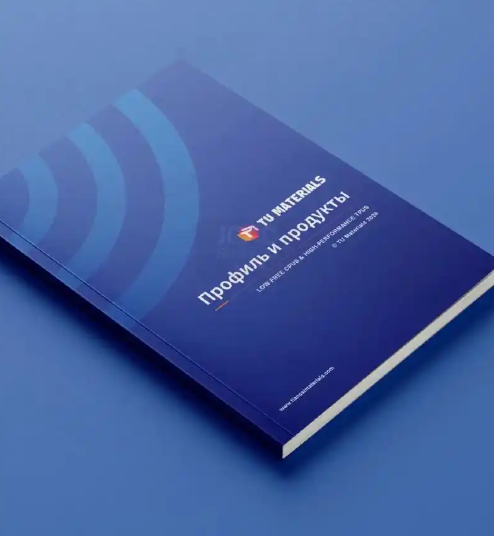
Lamination (a post-press finishing technique) is a common process that involves applying a transparent film (glossy or matte) to enhance both the tactile quality and durability of brochure covers. Below is a detailed analysis of its essential benefits:
- Protective Functions
- Scratch Resistance: Lamination effectively prevents covers from being scratched, worn, or stained by fingerprints during daily use, making it particularly suitable for frequently handled brochures (e.g., exhibition catalogs, product directories).
- Water and Stain Resistance: The film acts as a barrier against water, oil, and dust, extending the brochure’s lifespan—ideal for humid environments or outdoor use.
- Fade Resistance: UV coating or film minimizes ultraviolet damage to printed colors, ensuring long-lasting vibrancy.
- Enhanced Visual Appeal
- Finish Options:
- Glossy Film: Intensifies color saturation and adds reflective brilliance, perfect for bright, high-contrast designs.
- Matte Film: Delivers a subtle, elegant texture that eliminates glare, making it suitable for premium or artistic brochures.
- Tactile Enhancement: Matte film offers a fine, velvety finish, while glossy film provides a sleek, polished feel—both elevating the user experience through touch.
- Finish Options:
- Improved Durability
- Fold and Crack Resistance: Laminated paper resists creasing and edge splitting, especially critical for thick cardstock or hardcover editions.
- Long-Term Preservation: Ideal for archival materials (e.g., commemorative books, art collections), preventing paper from yellowing due to oxidation.
- Cost and Value
- Low Cost, High Impact: Lamination is economical (typically adding just ¥0.5–3 per copy) yet dramatically enhances the brochure’s premium look and resilience, positively influencing client perception and brand image.
- Reduced Post-Sale Issues: Mitigates complaints stemming from damage during shipping or handling.
- Recommended Applications
- Lamination is advised for:
- High-end promotional materials (e.g., corporate brochures, art publications).
- Brochures subject to heavy use or long-term storage.
- Covers with extensive dark or spot-color printing prone to scratches.
- Alternatives: Short-term disposable prints or designs employing special finishes (e.g., foil stamping).
- Lamination is advised for:
- Key Considerations
- Design Compatibility: Lamination may interfere with certain effects (e.g., foil stamping, embossing)—consult your printer during planning.
- Eco-Conscious Options: Traditional plastic films are non-biodegradable; opt for water-based or plant-based laminates for sustainability.
Conclusion: Lamination is a vital enhancement for most brochure covers, offering unmatched protection, aesthetic refinement, and cost efficiency. The decision should align with the brochure’s purpose, budget, and environmental priorities.